
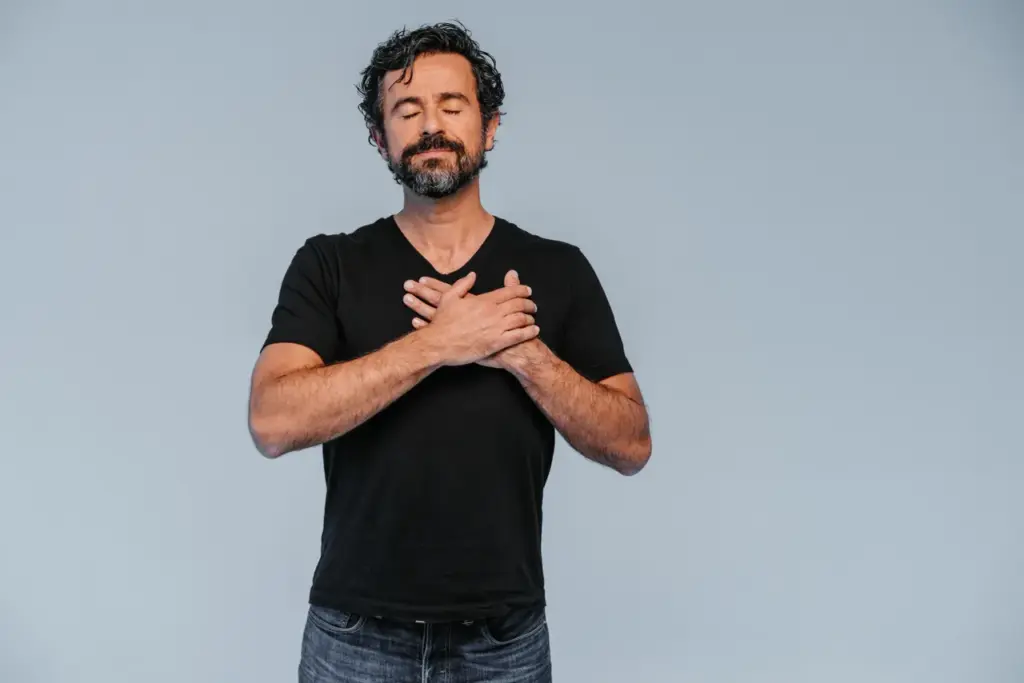
Why Emotional Support Is Essential for Men’s Mental Health
Society has long conditioned men to equate strength with silence—leading many to internalize stress, loneliness, and emotional fatigue without reaching out. In cities like London and across urban communities in England, rising rates of burnout, relationship strain, and unseen mental pressure underscore a critical need: emotional support is not a luxury, it’s a lifeline. Yet too often, men navigate these challenges in isolation, held back by outdated expectations of self-reliance and stoicism.
The truth is, emotional well-being thrives on connection. When men actively seek and receive support—whether through trusted friends, peer groups, or structured coaching—they develop greater resilience, clearer thinking, and healthier coping strategies. Emotional support helps dismantle the myth that vulnerability is weakness, replacing it with a more modern, sustainable model of strength rooted in self-awareness and authenticity.
In this guide, you’ll discover how to:
- Recognize the signs of emotional isolation
- Break through societal barriers that discourage help-seeking
- Build a personal support network that fosters growth
- Practice emotional openness without losing identity
You’re not meant to carry everything alone. The path to lasting mental wellness begins not in silence, but in the courage to connect.
5 Daily Techniques Men Can Use to Manage Stress and Emotional Pressure
Men across London and beyond face mounting pressures—from work deadlines and financial responsibilities to relationship demands and societal expectations. Ignoring emotional strain can lead to burnout, irritability, and long-term mental fatigue. The good news? Small, consistent actions can make a meaningful difference. Here are five practical, evidence-informed strategies to help manage stress and build emotional resilience.
- Morning Movement Rituals
Start your day with 10–15 minutes of intentional movement—whether brisk walking, stretching, or strength training. Physical activity regulates cortisol levels and boosts endorphins, setting a calmer tone for the day. Doing this outdoors in green spaces, like Hyde Park or Hampstead Heath, enhances the effect by combining nature exposure with motion. - Box Breathing for Immediate Calm
When stress spikes, apply box breathing: inhale for four counts, hold for four, exhale for four, and pause for four. Repeat for three to five cycles. This technique activates the parasympathetic nervous system, signaling your body to de-escalate. It’s discreet enough to use on the Tube or before a high-stakes meeting. - Emotional Check-Ins with Journaling
Spend five minutes each evening writing about your emotional state. Use prompts like “One thing I felt today was…” or “I’m holding onto…” This builds self-awareness and prevents emotional suppression, a common pattern among men. Over time, journaling reveals stress triggers and progress. - Scheduled Digital Detox Windows
Designate tech-free times—such as during meals or the first hour after work—to reduce cognitive overload. Constant notifications increase mental fragmentation. Use this quiet time to reflect, converse, or simply be still. Consistency strengthens emotional regulation. - Peer Accountability Check-Ins
Connect weekly with a trusted friend or men’s group to share struggles without judgment. Emotional pressure lessens when voiced. These conversations foster connection and normalize vulnerability, especially in urban environments where isolation is common.
Breaking the Silence: Overcoming Barriers to Emotional Support for Men
Seeking help shouldn’t feel like a contradiction to strength—but for many men, it does. Deeply ingrained societal expectations often equate emotional openness with weakness, creating powerful internal barriers to support. In cities like London and across England, men frequently navigate high-pressure environments where pride, fear of vulnerability, and stigma around mental wellness remain significant challenges. These invisible hurdles can prevent timely access to care, prolong emotional distress, and reinforce isolation.
One of the most common roadblocks is stigma—the belief that needing support signals failure or lack of resilience. This mindset discourages men from speaking up, even when struggling with burnout, grief, or relationship challenges. Pride, while often tied to achievement, can become a barrier when it prioritises image over authenticity. Many men avoid conversations about emotional health to maintain a façade of control.
Then there’s fear of vulnerability—the concern that opening up might lead to judgment or diminished respect. Yet true strength lies not in silence, but in the courage to reach out. Practical steps to overcome these barriers include reframing support-seeking as an act of self-leadership, normalising emotional check-ins with trusted peers, and identifying safe spaces—such as coaching or men’s groups—where openness is encouraged without judgment.
Real-World Emotional Support Systems Changing Men’s Lives in UK Cities
Across London, Manchester, and Birmingham, structured emotional support programs are reshaping how men engage with mental wellness. Far from one-size-fits-all solutions, these initiatives blend peer-led conversations, active listening environments, and community-based activities that meet men where they are—whether in a barbershop chair, on a football field, or during a work break. In Southwark, a men’s wellness circle reported that 70% of participants experienced reduced anxiety within eight weeks of joining, citing consistent check-ins and non-judgmental spaces as key drivers.
What makes these programs effective is their intentional design:
- Trained facilitators guide discussions without positioning themselves as authority figures, making emotional openness feel more accessible.
- Routine-based engagement, such as weekly group walks or post-game debriefs in men’s sports leagues, normalizes conversation about stress and identity.
- Community anchors, like barbershops in Birmingham and Liverpool, serve as trusted hubs where men are more likely to open up in a familiar, informal setting.
These models prove that emotional structure doesn’t have to mean clinical environments. By embedding support into daily routines and male-dominated spaces, men are more likely to sustain participation. The takeaway? Sustainable mental wellness for men thrives not in isolation, but in connection—through consistency, camaraderie, and compassion built over time.
Your Questions Answered: Men, Therapy, and Emotional Growth
Is therapy only for men in crisis?
No. Therapy isn’t just for moments of breakdown—it’s a proactive tool for emotional maintenance and personal development. Just as men train physically to stay strong, therapy strengthens emotional fitness. Whether managing work stress in London or navigating complex relationships, regular sessions help build self-awareness, improve decision-making, and foster resilience before issues escalate.
Why do many men hesitate to start therapy?
Social conditioning plays a major role. From a young age, many men absorb messages like “don’t cry” or “toughen up,” which can create internal resistance to seeking help. This often leads to emotional suppression, making it harder to open up later. Recognising this pattern is the first step toward change.
Can therapy improve relationships outside of individual healing?
Absolutely. Therapy enhances emotional intelligence—your ability to understand and manage your own emotions while empathising with others. This directly improves communication, reduces conflict, and deepens connection with partners, family, and colleagues.
How do I choose the right therapist as a man?
Look for someone who understands male-specific social pressures. A good fit will respect your pace, avoid judgment, and integrate practical strategies. Consider specialists in areas like stress, grief, or men’s emotional health—especially those offering sessions in urban areas like Central London or via secure online platforms.
What if I don’t know how to express my feelings?
That’s common and completely normal. Therapy isn’t about immediate depth—it’s about building skills gradually. Your therapist may use methods like journaling prompts, body awareness exercises, or guided reflection to help identify and articulate emotions safely.
Does going to therapy mean I’ve failed at being strong?
Quite the opposite. Choosing therapy is an act of courage and self-responsibility. It shows a commitment to growth, not weakness. Emotional strength isn’t silence—it’s the ability to face inner challenges with honesty and take action.
Building Resilience Through Consistent Emotional Practice
Long-term mental wellness for men isn’t achieved through isolated breakthroughs—it’s built daily through intentional, supportive habits. When kindness, self-awareness, and emotional openness become routine, they form the foundation of true resilience. Men who consistently engage in practices like active listening, self-compassion, and vulnerability create stronger neural pathways for stress regulation and deeper connection. These patterns don’t just improve individual well-being—they transform relationships, fostering trust, intimacy, and mutual support in both personal and professional settings across London and beyond.
The power lies in consistency. Small, repeated actions—such as checking in on a friend, journaling emotions, or pausing before reacting—compound over time. Overcoming societal conditioning around stoicism becomes more manageable when replaced with structured, healthy alternatives. Practical steps to sustain progress include:
- Scheduling regular emotional check-ins with yourself or a trusted peer
- Practicing mindfulness to increase self-awareness and reduce reactivity
- Joining local or virtual men’s groups in England that normalize emotional expression
You don’t need grand gestures to create change—just commitment to showing up, consistently and authentically. The journey toward mental wellness is ongoing, but every compassionate choice strengthens your ability to navigate life’s challenges with grace. Keep going. Growth is already happening.